

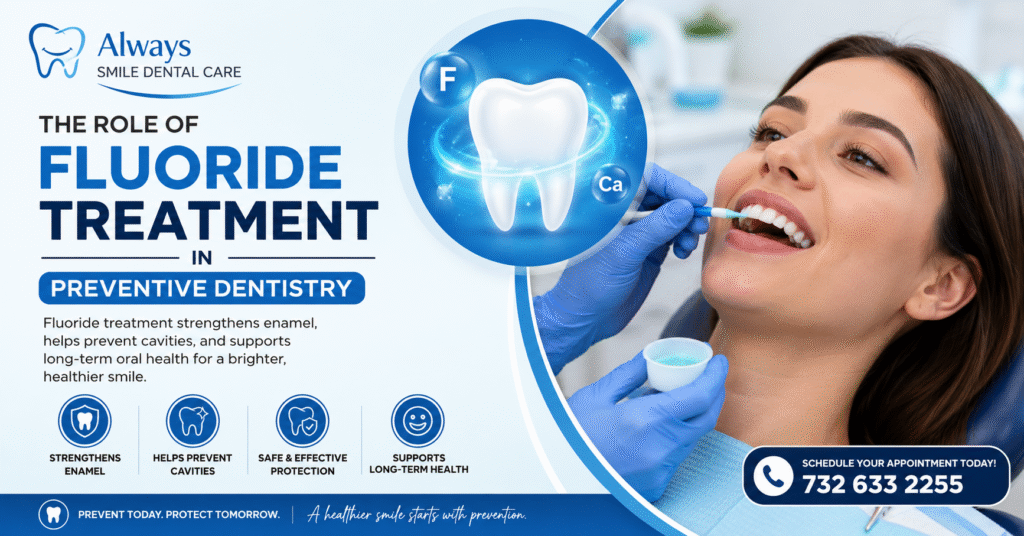
Preventive dentistry has become the cornerstone of modern oral healthcare, helping individuals maintain healthy teeth and gums while avoiding costly and complex treatments. One of the most powerful tools in preventive care is fluoride treatment—a simple yet highly effective solution to protect teeth from decay and strengthen enamel.
If you’re searching for reliable Preventive Dentistry In North Brunswick, understanding the role of fluoride can help you make informed decisions about your oral health. In this comprehensive guide, we will explore everything you need to know about fluoride treatment, its benefits, and why it plays a crucial role in preventive dentistry.
What Is Preventive Dentistry?
Preventive dentistry focuses on maintaining oral health and preventing dental problems before they develop into serious conditions. Instead of treating issues like cavities or gum disease after they occur, preventive care emphasizes early detection and proactive measures.
Key components of preventive dentistry include:
- Regular dental checkups and cleanings
- Oral hygiene education
- Dental sealants
- Fluoride treatments
- X-rays for early detection
- Diet and lifestyle guidance
For residents seeking Preventive Dentistry In North Brunswick, these services are essential in maintaining long-term dental health and reducing the need for invasive procedures.
What Is Fluoride?
Fluoride is a naturally occurring mineral found in water, soil, and certain foods. It is widely recognized for its ability to strengthen tooth enamel and prevent tooth decay.
Organizations like the American Dental Association and the World Health Organization strongly support the use of fluoride in dental care due to its proven effectiveness in reducing cavities.
How Fluoride Works
Fluoride plays a critical role in maintaining strong and healthy teeth through three main mechanisms:
1. Strengthens Enamel
Fluoride helps remineralize tooth enamel, making it more resistant to acid attacks caused by bacteria and sugary foods.
2. Prevents Demineralization
It slows down the loss of essential minerals from the enamel, which is the primary cause of cavities.
3. Reverses Early Tooth Decay
Fluoride can repair early stages of tooth decay before they develop into cavities.
This makes fluoride a vital component of Preventive Dentistry In North Brunswick, especially for patients at higher risk of dental issues.
Types of Fluoride Treatments
Fluoride treatments are available in both professional and at-home forms. Let’s explore the most common types:
1. Professional Fluoride Treatments
These are applied by dental professionals during routine visits and include:
- Fluoride varnish
- Fluoride gel
- Foam treatments
These treatments contain a higher concentration of fluoride and provide immediate protection.
2. Over-the-Counter Fluoride Products
These include:
- Fluoride toothpaste
- Mouth rinses
While effective, they contain lower fluoride levels compared to professional treatments.
3. Prescription Fluoride Products
Dentists may recommend prescription-strength fluoride for patients with high cavity risk.
Importance of Fluoride in Preventive Dentistry
Fluoride is one of the most essential components of preventive dental care. Here’s why:
Reduces Risk of Cavities
Fluoride significantly lowers the chances of developing cavities, especially in children and teenagers.
Cost-Effective Prevention
Preventing dental issues with fluoride is far more affordable than treating advanced dental problems.
Suitable for All Ages
From children to seniors, fluoride benefits everyone by maintaining strong teeth.
Supports Long-Term Oral Health
Regular fluoride treatments ensure your teeth remain healthy for years to come.
For anyone considering Preventive Dentistry In North Brunswick, fluoride treatments should be a priority.
Benefits of Fluoride Treatment
1. Stronger Teeth
Fluoride strengthens enamel, making teeth more resistant to wear and tear.
2. Protection Against Acid Attacks
It protects teeth from acids produced by bacteria and sugary foods.
3. Prevention of Tooth Sensitivity
Fluoride can reduce tooth sensitivity by strengthening weak enamel areas.
4. Safe and Effective
Fluoride treatments are safe when used as directed by dental professionals.
5. Quick and Painless Procedure
Fluoride application takes only a few minutes and is completely non-invasive.
Who Needs Fluoride Treatment?
While fluoride is beneficial for everyone, certain individuals benefit even more:
- Children and teenagers
- People with frequent cavities
- Patients with dry mouth conditions
- Individuals with gum disease
- Those with braces or dental appliances
If you fall into any of these categories, seeking Preventive Dentistry In North Brunswick can help protect your oral health effectively.
Fluoride Treatment Procedure
Fluoride treatments are quick and simple. Here’s what you can expect:
- Teeth Cleaning – The dentist removes plaque and debris.
- Application – Fluoride is applied as a gel, foam, or varnish.
- Absorption Time – The fluoride is left on the teeth for a few minutes.
- Post-Treatment Care – Patients are advised not to eat or drink for at least 30 minutes.
This straightforward process makes fluoride treatment one of the easiest preventive measures available.
Fluoride for Children
Children are particularly vulnerable to tooth decay, making fluoride essential for their dental care.
Benefits for Kids:
- Strengthens developing teeth
- Prevents cavities in early years
- Supports proper oral development
Pediatric dentists often recommend regular fluoride treatments as part of Preventive Dentistry In North Brunswick for children.
Fluoride for Adults
Many people believe fluoride is only for children, but adults benefit just as much.
Adult Benefits:
- Prevents decay around dental work (crowns, fillings)
- Reduces tooth sensitivity
- Protects against gum recession-related decay
Adults seeking Preventive Dentistry In North Brunswick should include fluoride treatments in their routine dental care plan.
Fluoride and Diet
Your diet plays a significant role in oral health. Foods high in sugar and acids can weaken enamel, making fluoride even more important.
Tips for Better Oral Health:
- Limit sugary snacks and beverages
- Drink fluoridated water
- Eat calcium-rich foods
- Maintain proper oral hygiene
Combining a healthy diet with fluoride treatments enhances the effectiveness of preventive dentistry.
Safety of Fluoride
Fluoride has been extensively researched and is considered safe when used appropriately.
The Centers for Disease Control and Prevention recognizes water fluoridation as one of the greatest public health achievements.
Common Myths:
- Myth: Fluoride is harmful
- Fact: Safe in recommended amounts
- Myth: Only children need fluoride
- Fact: Adults benefit equally
Understanding these facts helps patients feel confident about choosing fluoride treatments.
Fluoride vs. Other Preventive Treatments
Fluoride is often used alongside other preventive measures:
Dental Sealants
Protect grooves in teeth from bacteria
Regular Cleanings
Remove plaque and tartar buildup
Oral Hygiene Practices
Brushing and flossing daily
Together, these treatments form a comprehensive preventive strategy under Preventive Dentistry In North Brunswick.
Why Choose Professional Preventive Dentistry?
While at-home care is essential, professional dental care offers additional benefits:
- Early detection of dental issues
- Customized treatment plans
- Advanced preventive techniques
- Expert guidance
Choosing a trusted dental clinic ensures you receive the best care tailored to your needs.
How Often Should You Get Fluoride Treatment?
The frequency of fluoride treatments depends on your oral health condition:
- Low risk: Once a year
- Moderate risk: Every 6 months
- High risk: Every 3–6 months
Your dentist will recommend the ideal schedule based on your specific needs.
The Future of Preventive Dentistry
Advancements in dental technology continue to improve preventive care. Innovations include:
- Advanced fluoride formulations
- Digital dental monitoring
- Personalized treatment plans
These developments make preventive dentistry more effective than ever before.
Choosing the Right Dental Clinic in North Brunswick
When selecting a dental provider, consider:
- Experience and qualifications
- Range of preventive services
- Patient reviews
- Modern technology
A reliable clinic offering Preventive Dentistry In North Brunswick will prioritize your long-term oral health.
Conclusion
Fluoride treatment is a vital component of preventive dentistry, offering a simple yet powerful way to protect your teeth from decay and maintain strong enamel. Whether you are a child, adult, or senior, incorporating fluoride into your dental care routine can significantly improve your oral health.
If you are looking for expert care, choosing professional Preventive Dentistry In North Brunswick ensures you receive comprehensive services tailored to your needs. From routine checkups to advanced fluoride treatments, preventive care helps you avoid costly dental procedures and maintain a confident smile.
To learn more or book your appointment, visit:
👉 https://alwayssmiledentalcare.com/services/preventive-dentistry-in-north-brunswick/
FAQs – Preventive Dentistry In North Brunswick
Preventive dentistry focuses on maintaining oral health and avoiding dental problems before they occur. Services like cleanings, exams, and fluoride treatments help protect your teeth from decay and gum disease. Choosing Preventive Dentistry In North Brunswick ensures long-term oral health and fewer costly treatments.
Fluoride treatment is a professional dental procedure where fluoride is applied to teeth to strengthen enamel and prevent cavities. It is a key component of Preventive Dentistry In North Brunswick and is recommended for both children and adults.
Fluoride works by remineralizing weakened enamel, making it more resistant to acid attacks from bacteria and sugars. It can even reverse early stages of tooth decay, making it essential in preventive dental care.
Yes, fluoride treatment is safe when applied by dental professionals. Organizations like the American Dental Association confirm its safety and effectiveness for all age groups.
Most dentists recommend fluoride treatments every 6 months. However, patients at higher risk of cavities may need more frequent applications as part of Preventive Dentistry In North Brunswick.
Fluoride is especially beneficial for:
Children and teenagers
People with frequent cavities
Patients with dry mouth
Individuals with braces
Adults with gum recession
Fluoride can reverse early stages of tooth decay by repairing enamel. However, advanced cavities will still require dental treatment.
Fluoride toothpaste contains a lower concentration of fluoride, while professional treatments offer a higher, more effective dose for long-lasting protection.
No, fluoride treatment is completely painless and takes only a few minutes. It is one of the easiest procedures in Preventive Dentistry In North Brunswic
Fluoride protection can last several months, depending on your oral hygiene habits and diet.
Fluoride treatment is safe when used properly. Overuse can cause minor issues, but this is rare and usually associated with excessive intake, not professional application.
Absolutely. Preventive care helps adults avoid gum disease, tooth loss, and expensive dental procedures.
How to Maintain Oral Health with Preventive Dentistry In North Brunswick
- Step 1: Brush Twice Daily
Use fluoride toothpaste to clean your teeth and strengthen enamel.
- Step 2: Floss Every Day
Flossing removes plaque and food particles between teeth.
- Step 3: Visit Your Dentist Regularly
Schedule checkups every 6 months for professional cleaning and fluoride treatments.
- Step 4: Get Fluoride Treatments
Professional fluoride applications provide extra protection against cavities.
- Step 5: Follow a Healthy Diet
Limit sugary foods and include calcium-rich items for strong teeth.
