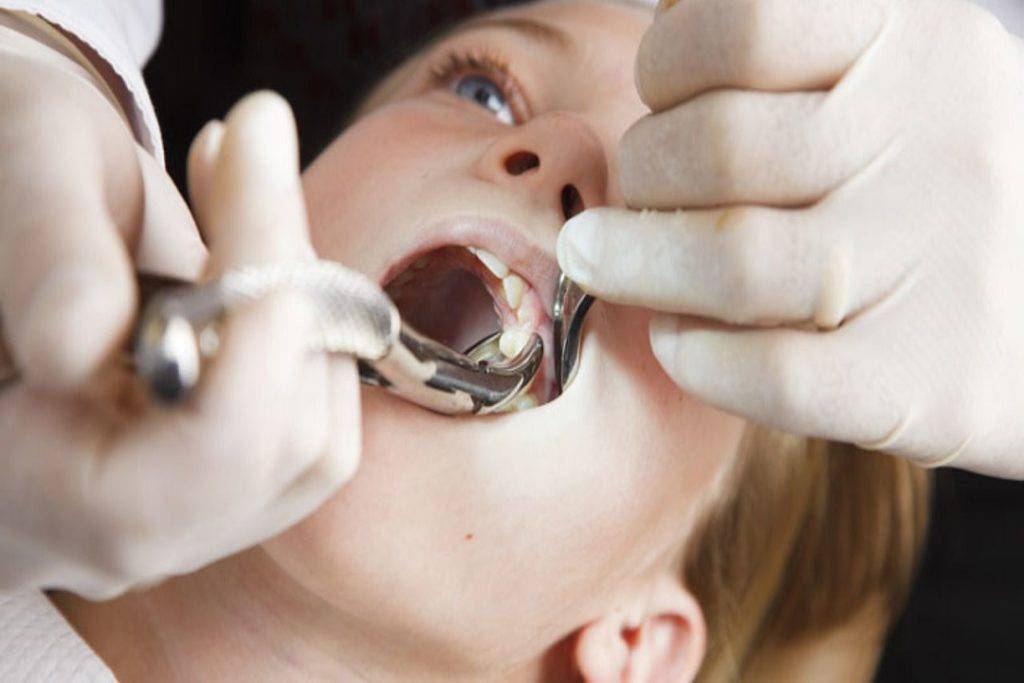
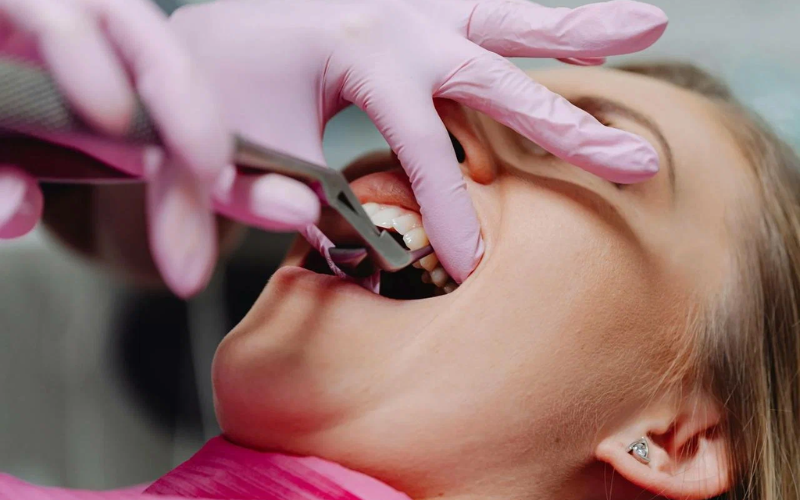
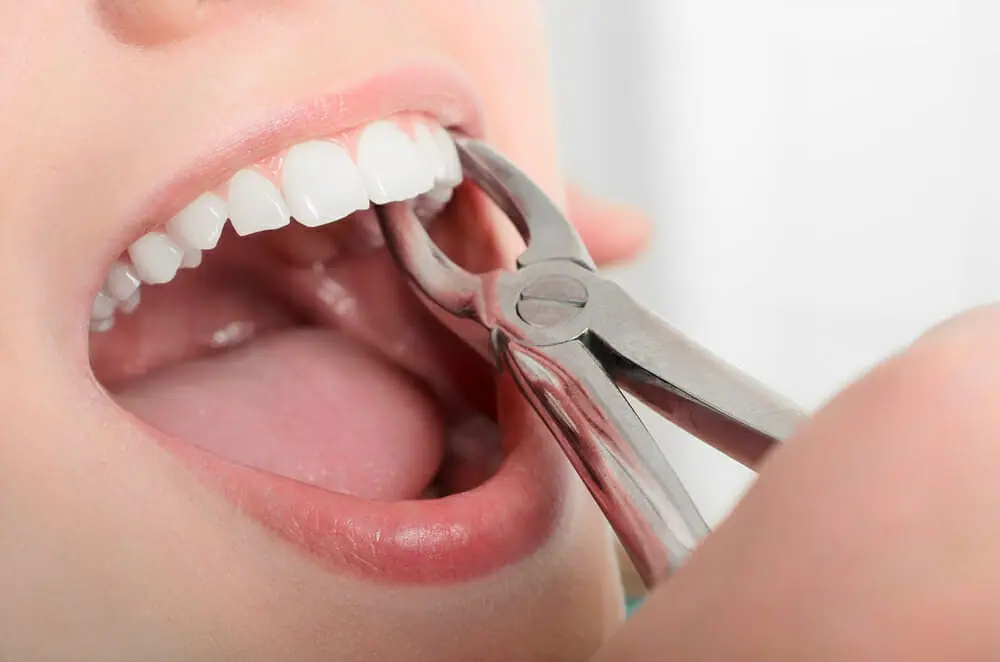
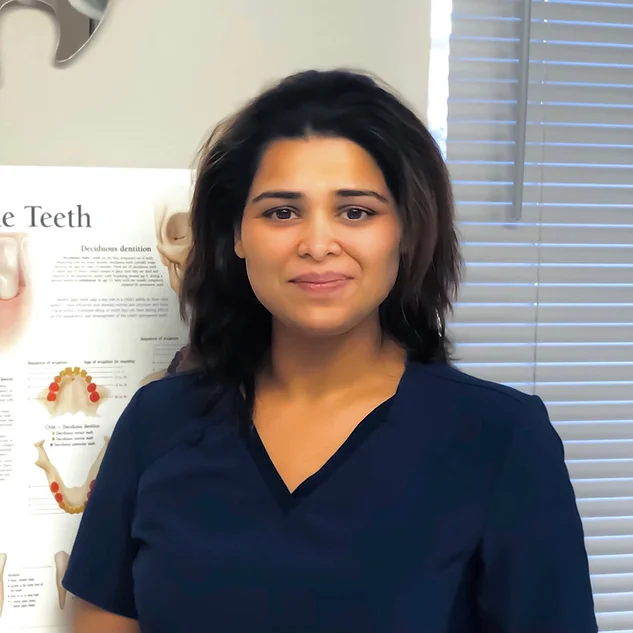
Dental extractions involve safely removing severely damaged, infected, or impacted teeth that cannot be restored. Extractions help relieve pain and prevent further oral health complications.
The procedure is performed with precision and care, using local anesthesia to ensure comfort. After extraction, replacement options like implants or bridges can restore your smile’s function and appearance.
Extractions protect overall oral health and prepare the mouth for future restorative treatments.
Safe and gentle extractions protect your smile’s foundation and support long-term dental wellness.
Preserving your natural teeth is always the goal, but there are situations where removing a tooth is the healthiest option. When a tooth is severely damaged, infected, or causing complications, a professional tooth extraction can relieve discomfort, prevent further oral health problems, and support your long-term dental health. Every extraction begins with a comprehensive evaluation to determine the most appropriate treatment for your needs.
We always explore options to preserve your natural tooth before recommending an extraction.
A tooth may need to be removed when it's severely damaged, infected, or no longer restorable.
Every extraction begins with a thorough examination and diagnostic imaging to determine the best treatment approach.
Removing a problematic tooth can help protect neighboring teeth, gums, and supporting bone from further complications.
Not every toothache requires an extraction, but persistent pain, infection, or significant damage shouldn’t be ignored. If you’re experiencing any of the following symptoms, a dental evaluation can help determine whether a tooth can be restored or if extraction is the healthiest option for protecting your smile.
Ongoing tooth pain may indicate advanced decay or infection.
Inflamed gums around a tooth can signal an underlying dental problem.
Sharp sensitivity to hot or cold may indicate significant tooth damage.
Teeth that feel loose may have lost the support needed to remain stable.
Pain or discomfort while eating may require professional evaluation.
Persistent jaw discomfort can sometimes be associated with a damaged or impacted tooth.
Swelling around the face or jaw may indicate an infection that needs prompt attention.
Pain around impacted wisdom teeth may require evaluation and treatment.
No two extractions are exactly alike. Depending on the condition of your tooth, its position, and your overall oral health, your dentist may recommend a simple extraction, a surgical extraction, wisdom tooth removal, or another oral surgery procedure. Every treatment plan is personalized to provide safe, comfortable, and effective care.
A simple extraction is performed when the tooth is fully visible above the gumline and can be removed using specialized dental instruments under local anesthesia.
Surgical extraction is recommended when a tooth hasn’t fully erupted or is difficult to access. The procedure may involve a small incision and additional techniques to safely remove the tooth.
Wisdom teeth often don’t have enough space to erupt properly, which can lead to pain, infection, crowding, and damage to neighboring teeth. Early removal can help prevent future complications.
Some dental conditions require advanced oral surgery to treat impacted teeth, preserve bone, or manage urgent dental problems. Every procedure is tailored to your specific oral health needs.
Understanding each step of the tooth extraction process can help you feel more comfortable and confident about your treatment. At Always Smile Dental Care, from your initial consultation to post-procedure care, every stage is focused on providing a safe, comfortable experience while supporting a smooth recovery.
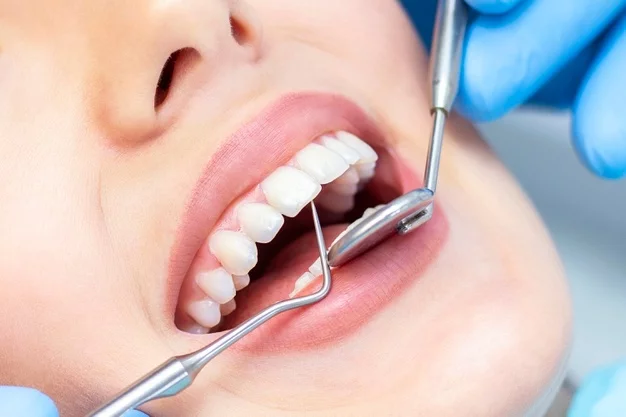
We perform a comprehensive dental examination, review your medical history, and take digital images to determine the best treatment approach.
Based on your evaluation, we'll explain your options, answer your questions, and determine whether a simple or surgical extraction is the most appropriate treatment.
Local anesthesia is administered to keep you comfortable throughout the procedure.
Your dentist carefully performs either a simple or surgical extraction based on the complexity of your case.
Before you leave, you'll receive detailed aftercare instructions to support healing and help minimize the risk of complications.
Removing a tooth doesn’t mean living with a gap in your smile. Depending on your oral health, the location of the missing tooth, and your long-term goals, there are several restorative options available to replace an extracted tooth and restore both function and appearance. During your consultation, we’ll help you determine the solution that’s right for you.
Replace a missing tooth with a permanent, natural-looking solution designed for long-term function and stability.
Restore the appearance and function of your smile by replacing one or more missing teeth with a fixed restoration.
A removable option that replaces multiple missing teeth, helping improve chewing, speaking, and smile aesthetics.
We'll discuss your oral health, treatment goals, and available replacement options to help you choose the solution that best fits your needs.
While preserving natural teeth is always the priority, removing a severely damaged or infected tooth can sometimes be the best way to protect your long-term oral health. Professional tooth extraction helps relieve discomfort, prevent further complications, and create a healthier foundation for future dental care.
Removes the source of persistent tooth pain and discomfort.
Helps stop the spread of serious dental infections.
Protects neighboring teeth and surrounding oral structures.
Creates a healthier environment for your remaining teeth and gums.
May create the space needed for proper tooth alignment.
Makes eating, speaking, and daily activities more comfortable.
Most patients recover within a few days after a routine tooth extraction. Following your aftercare instructions and practicing a few simple habits can help reduce discomfort, support healing, and lower the risk of complications such as dry socket.
Avoid strenuous activities for the first 24–48 hours.
Bite gently on gauze as instructed by your dentist.
Apply cold compresses to help minimize inflammation.
Eat foods that are gentle on the healing area.
Maintain oral hygiene while avoiding excessive rinsing on day one.
Your oral health plays an important role in your overall well-being. Research has shown that oral health is closely connected to several aspects of general health, making preventive dental care an essential part of maintaining a healthier lifestyle. At Always Smile Dental Care, we focus on protecting both your smile and your long-term wellness through proactive, patient-centered care.
Healthy gums may help reduce inflammation linked to cardiovascular health concerns.
Good oral health can support better management of diabetes and overall wellness.
Maintaining a healthy mouth may help reduce the spread of harmful bacteria that affect respiratory health.
Oral health is an important part of maintaining overall health during pregnancy.
Healthy teeth and gums can contribute to lower levels of inflammation throughout the body.
A healthy smile supports comfort, confidence, nutrition, and everyday well-being.
We catch dental issues early, ensuring healthier smiles and lasting results.
Our lead dentist brings years of experience and a caring, patient-first approach.
Every treatment is tailored to your unique needs for comfort and confidence.
Affordable care with convenient plans to fit every budget.
Fast, reliable care when dental problems can’t wait.
A tooth extraction is a dental procedure in which a damaged, infected, impacted, or severely decayed tooth is removed from the mouth.
Extractions are recommended when a tooth cannot be saved through restorative treatments such as fillings, crowns, or root canal therapy.
A tooth extraction may be necessary if you have:
Your dentist will thoroughly evaluate your oral health before recommending an extraction.
Most patients experience little to no pain during a tooth extraction because local anesthesia is used to numb the treatment area.
You may feel pressure during the procedure, but discomfort is minimal.
Mild soreness after the extraction is normal and can typically be managed with medication and proper aftercare.
A simple tooth extraction can often be completed in 20 to 40 minutes.
More complex procedures, such as impacted wisdom tooth extractions, may take longer depending on the tooth's position and condition.
After your extraction, you should:
Following these guidelines helps promote proper healing and reduces the risk of complications.
Most patients begin feeling significantly better within a few days.
Initial healing typically occurs within one to two weeks, although complete healing of the extraction site may take several weeks depending on the complexity of the procedure.
Yes. Once the numbness wears off, you can eat soft foods such as yogurt, mashed potatoes, soup, applesauce, and smoothies.
Avoid crunchy, spicy, hot, or hard foods until the extraction site has healed properly.
Common signs of an impacted wisdom tooth include:
If you experience these symptoms, schedule an evaluation with your dentist as soon as possible.
In many cases, replacing an extracted tooth is recommended to prevent shifting teeth, bite problems, and bone loss.
Options may include dental implants, bridges, or dentures.
Your dentist will discuss the best solution based on your individual needs.
Yes. Always Smile Dental Care provides emergency dental services and can perform urgent tooth extractions when necessary to relieve pain, treat infection, or address dental trauma.
If you are experiencing severe tooth pain or swelling, contact the office immediately.
Dry socket is a condition that occurs when the protective blood clot at the extraction site becomes dislodged before the area has healed. To reduce your risk:
Proper care significantly lowers the likelihood of developing dry socket.
If a tooth can be saved, a root canal may be the preferred option.
However, if the tooth is severely damaged, fractured, infected beyond repair, or causing other oral health issues, an extraction may be recommended.
A comprehensive dental examination will determine the best treatment for your situation.
General and Cosmetic Dentist
Dr. Farida Fanuswala is a skilled and compassionate dentist in North Brunswick, NJ, dedicated to creating healthy, beautiful smiles through advanced dental care. She focuses on providing personalized treatments in a calm and comfortable setting, ensuring every patient feels confident and cared for.

Dr. Farida combines precision, technology, and a gentle approach to deliver outstanding results in general, restorative, and cosmetic dentistry — helping patients of all ages achieve lasting oral health and radiant smiles.
With over 10 years of professional experience in dentistry, Dr. Farida Fanuswala brings exceptional expertise and commitment to every patient she serves. She has successfully treated hundreds of families across North Brunswick and surrounding New Jersey communities, earning a reputation for trust, quality, and excellence in dental care.


Have questions or want to book an appointment? We’d love to hear from you. Contact us today and start your journey to a healthier, brighter smile.
Providing trusted dental care in North Brunswick, NJ combining modern technology, gentle treatments, and a commitment to your healthiest, brightest smile.
Copyright © 2026 Always Smile Dental Care. All Rights Reserved.
Powered By HM Infosoft