

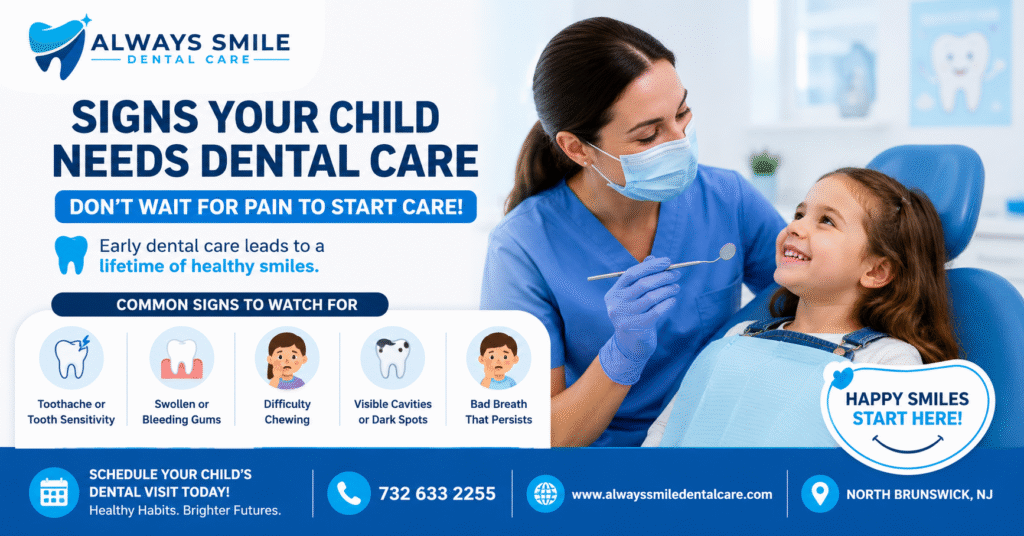
As parents, you want to ensure your child grows up healthy, happy, and confident. While regular pediatric checkups are a priority, oral health is often overlooked until a child complains of pain. Unfortunately, many dental problems begin silently and worsen before obvious symptoms appear.
Scheduling regular visits with a Pediatric Dentist North Brunswick can help detect problems early, prevent tooth decay, and establish lifelong healthy dental habits. Pediatric dental care isn’t just about treating cavities—it’s about monitoring growth, educating parents, and creating positive dental experiences that children carry into adulthood.
At Always Smile Dental Care, children receive compassionate, family-focused dental care in a welcoming environment designed to make every visit comfortable and stress-free. The practice provides preventive, restorative, and family dentistry using modern technology and personalized treatment plans.
If you’re wondering whether it’s time to schedule a dental appointment, here are ten important signs that your child should visit a Pediatric Dentist North Brunswick.
Why Early Pediatric Dental Care Matters
Many parents believe dental visits should begin only after all baby teeth appear. However, dental professionals recommend scheduling a child’s first dental visit by their first birthday or within six months after the first tooth erupts. Early visits help identify developmental issues, reduce dental anxiety, and teach parents how to care for growing smiles.
Routine dental visits help:
- Prevent cavities
- Monitor jaw growth
- Detect bite problems early
- Encourage proper brushing habits
- Reduce fear of the dentist
- Save money through preventive care
1. Your Child Complains About Tooth Pain
Persistent tooth pain is one of the clearest signs that your child needs immediate dental attention.
Pain may indicate:
- Tooth decay
- Dental infection
- Cracked tooth
- Loose filling
- Abscess
- Gum infection
Children often struggle to explain dental discomfort. They may avoid chewing on one side, refuse certain foods, wake up crying at night, or become unusually irritable.
Never ignore tooth pain. Early treatment prevents minor problems from becoming dental emergencies.
2. You Notice White, Brown, or Black Spots on Their Teeth
Many cavities begin as tiny white spots caused by enamel demineralization.
As decay progresses, these spots may become:
- Yellow
- Brown
- Black
These color changes often appear long before pain develops.
A Pediatric Dentist North Brunswick can identify early-stage decay and recommend treatments such as fluoride therapy, sealants, or fillings before extensive damage occurs.
3. Your Child Has Bad Breath That Doesn’t Go Away
Occasional bad breath after meals is normal.
However, persistent bad breath may indicate:
- Tooth decay
- Gum disease
- Food trapped between teeth
- Poor oral hygiene
- Mouth breathing
- Dental infection
Professional dental cleaning and examination can identify the underlying cause and restore fresh breath.
4. Bleeding Gums During Brushing
Healthy gums should never bleed regularly.
If your child experiences bleeding while brushing or flossing, it may be an early sign of:
- Gingivitis
- Plaque buildup
- Poor brushing technique
- Gum inflammation
Without treatment, gingivitis can progress into more serious gum disease.
Early professional cleanings combined with improved home care usually resolve the problem quickly.
5. Difficulty Eating or Chewing
If your child suddenly avoids crunchy foods or chews only on one side, they may be experiencing dental discomfort.
Possible causes include:
- Tooth sensitivity
- Cavities
- Loose baby teeth
- Jaw problems
- Cracked teeth
Children may not always complain directly about pain, making changes in eating habits an important clue.
6. Crooked, Crowded, or Misaligned Teeth
Baby teeth guide the eruption of permanent teeth.
If you notice:
- Teeth growing behind others
- Severe crowding
- Large gaps
- Crossbite
- Underbite
- Overbite
it’s time for an evaluation.
Early intervention allows dentists to monitor development and recommend orthodontic referrals when appropriate.
7. Thumb Sucking or Pacifier Use Beyond Age Three
Thumb sucking is common during infancy.
However, prolonged thumb sucking can affect:
- Jaw growth
- Tooth alignment
- Bite development
- Speech
A Pediatric Dentist North Brunswick can provide gentle strategies to help children stop these habits before permanent damage occurs.
8. Frequent Cavities
Some children develop cavities despite regular brushing.
Contributing factors include:
- Sugary drinks
- Sticky snacks
- Poor brushing habits
- Deep grooves in teeth
- Weak enamel
- Genetics
Children with frequent cavities benefit from preventive services including:
- Fluoride treatments
- Dental sealants
- Professional cleanings
- Dietary counseling
Preventive dentistry plays a major role in reducing future dental problems.
9. Delayed Tooth Eruption or Baby Teeth That Won’t Fall Out
Every child develops differently.
However, significant delays in tooth eruption or retained baby teeth may require professional evaluation.
A dentist can determine whether:
- Permanent teeth are developing properly
- Extra teeth are present
- Teeth are impacted
- Space management is needed
Monitoring growth ensures permanent teeth erupt correctly.
10. It’s Been More Than Six Months Since the Last Dental Visit
Even if your child has no symptoms, regular dental visits remain essential.
Routine checkups allow dentists to:
- Remove plaque
- Detect cavities early
- Monitor development
- Apply fluoride
- Evaluate bite changes
- Educate parents
Most children benefit from dental visits every six months, although some may need more frequent appointments based on their individual risk factors.
Common Dental Problems in Children
Some of the most common conditions treated by a Pediatric Dentist North Brunswick include:
Tooth Decay
The most common chronic childhood disease.
Gum Disease
Often caused by inadequate brushing.
Dental Trauma
Falls, sports injuries, and playground accidents.
Thumb Sucking Effects
Can alter bite alignment.
Tooth Sensitivity
Often caused by enamel wear or cavities.
Early Orthodontic Concerns
Crowding and bite irregularities can often be identified at a young age.
Tips for Maintaining Your Child’s Oral Health
Healthy smiles begin at home.
Encourage your child to:
- Brush twice daily with fluoride toothpaste.
- Floss once daily when teeth touch.
- Limit sugary snacks and drinks.
- Drink plenty of water.
- Wear a mouthguard during sports.
- Visit the dentist regularly.
- Replace toothbrushes every three months.
These habits significantly reduce the risk of cavities and gum disease.
What Happens During a Pediatric Dental Visit?
Many parents worry that their child will be nervous.
A pediatric dental visit typically includes:
- Friendly introduction to the dental team
- Gentle oral examination
- Professional cleaning (when appropriate)
- Digital X-rays if needed
- Fluoride treatment
- Growth and bite evaluation
- Oral hygiene education for parents and children
The goal is to make every visit positive and educational.
Benefits of Choosing a Pediatric Dentist
Children have unique dental needs that differ from adults.
Benefits include:
Child-Friendly Environment
Designed to reduce fear and anxiety.
Preventive Focus
Early intervention minimizes future problems.
Growth Monitoring
Tracks jaw and tooth development.
Behavior Guidance
Helps children build confidence during dental visits.
Parent Education
Provides practical advice tailored to each child’s stage of development.
Why Families Choose Always Smile Dental Care
Families throughout North Brunswick trust Always Smile Dental Care because of its commitment to gentle, personalized care.
Highlights include:
- Experienced dental professionals
- Modern diagnostic technology
- Comfortable, child-friendly atmosphere
- Comprehensive preventive care
- Flexible appointment scheduling
- Individualized treatment plans for every patient
Located conveniently in North Brunswick, the practice welcomes children and adults alike, helping families maintain healthy smiles through every stage of life.
Frequently Asked Questions
At what age should my child first visit the dentist?
Children should visit the dentist by their first birthday or within six months after the first tooth erupts.
How often should children visit the dentist?
Most children should have a dental checkup every six months. Some may need more frequent visits depending on their oral health needs.
What if my child is afraid of the dentist?
A child-friendly approach, gentle communication, and positive reinforcement can help children feel comfortable and build trust over time.
Are baby teeth really that important?
Yes. Baby teeth help children chew, speak clearly, and guide permanent teeth into the correct positions.
How can I prevent cavities?
Daily brushing with fluoride toothpaste, flossing, limiting sugary snacks, drinking water, and attending regular dental visits are the best ways to prevent cavities.
Final Thoughts
Your child’s smile plays an important role in their overall health, confidence, and development. Recognizing early warning signs such as tooth pain, discoloration, bleeding gums, chewing difficulties, or delayed tooth eruption can prevent more serious dental problems in the future.
Routine visits with a Pediatric Dentist North Brunswick not only address existing concerns but also help build healthy habits that last a lifetime. Early preventive care is one of the best investments you can make in your child’s well-being.
If you’re looking for compassionate, family-focused dental care, Always Smile Dental Care offers comprehensive preventive and pediatric-friendly services in a welcoming environment. Learn more or schedule an appointment through Always Smile Dental Care
FAQ’s
The American Academy of Pediatric Dentistry recommends that children visit a Pediatric Dentist North Brunswick by their first birthday or within six months after their first tooth appears. Early visits help monitor oral development, prevent cavities, and establish healthy dental habits from an early age.
Most children should have a dental checkup every six months. Regular visits allow the dentist to identify cavities early, provide preventive treatments, and monitor your child’s oral development.
Signs include tooth pain, sensitivity, bleeding gums, persistent bad breath, white or brown spots on teeth, difficulty chewing, swollen gums, delayed tooth eruption, frequent cavities, or dental injuries. If you notice any of these symptoms, schedule an appointment with a Pediatric Dentist North Brunswick as soon as possible.
Baby teeth help children chew properly, speak clearly, maintain space for permanent teeth, and support healthy jaw development. Keeping baby teeth healthy reduces the risk of future dental complications.
The first visit typically includes a gentle oral examination, evaluation of tooth and jaw development, guidance on brushing and nutrition, and answers to any questions parents may have. The goal is to make your child feel comfortable while establishing a positive dental experience.
Talk positively about visiting the dentist, read children’s books about dental visits, avoid using frightening words like “pain” or “needle,” and schedule the appointment when your child is well-rested. Bringing a favorite toy can also help reduce anxiety.
Cavities are caused by bacteria that feed on sugars and produce acids that weaken tooth enamel. Poor oral hygiene, frequent sugary snacks, and inadequate fluoride exposure increase the risk of tooth decay.
Yes. Professional fluoride treatments are safe and effective when administered by dental professionals. Fluoride strengthens tooth enamel and helps prevent cavities, especially in children who are more prone to tooth decay.
Dental sealants are thin protective coatings applied to the chewing surfaces of molars to prevent food and bacteria from collecting in deep grooves. They are an effective preventive treatment recommended for many children.
Thumb sucking is normal during infancy, but if it continues beyond the age of three or four, it may affect tooth alignment, jaw growth, and bite development. A Pediatric Dentist North Brunswick can provide guidance on breaking the habit.
If a permanent tooth is knocked out, keep it moist and seek emergency dental care immediately. For chipped or broken teeth, rinse your child’s mouth with warm water and contact your dentist as soon as possible for evaluation and treatment.
Help your child brush twice daily with fluoride toothpaste, floss every day, limit sugary snacks and drinks, encourage drinking water, and schedule routine dental checkups every six months.
Yes. Children can develop gingivitis, the earliest stage of gum disease, which causes swollen or bleeding gums. Good oral hygiene and regular professional cleanings can help prevent and treat gum problems.
Always Smile Dental Care provides compassionate, family-focused dental care in a welcoming environment. The experienced team offers preventive, restorative, and comprehensive dental services designed to keep children’s smiles healthy while making every visit comfortable and stress-free.
Scheduling an appointment is simple. Contact Always Smile Dental Care by phone or through the online appointment request form on their website. Their friendly team will help you find a convenient time for your child’s visit and answer any questions you may have before the appointment.
How to Know When Your Child Should Visit a Pediatric Dentist in North Brunswick
Taking your child to the dentist at the right time is essential for maintaining healthy teeth and gums. Follow these simple steps to determine whether it’s time to schedule an appointment with a Pediatric Dentist North Brunswick.
- Observe Your Child’s Oral Health
How to Know When Your Child Should Visit a Pediatric Dentist in North Brunswick
Taking your child to the dentist at the right time is essential for maintaining healthy teeth and gums. Follow these simple steps to determine whether it’s time to schedule an appointment with a Pediatric Dentist North Brunswick.
Observe Your Child’s Oral Health - Ask About Tooth Pain or Sensitivity
Young children may not always tell you they are experiencing dental pain. Watch for signs such as:
Crying while eating
Avoiding hot or cold foods
Chewing on only one side
Touching their mouth frequently
Complaining of toothaches
Persistent discomfort should never be ignored. - Monitor Your Child’s Brushing Habits
Ensure your child:
Brushes twice daily with fluoride toothpaste
Flosses once teeth begin touching
Brushes for at least two minutes
Uses an age-appropriate toothbrush
Poor oral hygiene increases the risk of cavities and gum disease. - Watch for Changes in Eating Habits
Children experiencing dental pain often avoid certain foods.
Look for signs such as:
Difficulty chewing
Avoiding crunchy foods
Preferring soft foods
Complaints of pain while eating
These may indicate cavities or other dental issues. - Keep Track of Tooth Development
Monitor when baby teeth erupt and fall out.
Consult a Pediatric Dentist North Brunswick if:
Teeth erupt much later than expected
Baby teeth remain after permanent teeth begin emerging
Permanent teeth appear crooked or crowded
Early evaluation helps ensure proper dental development. - Schedule Preventive Dental Checkups Every Six Months
Even if your child has no visible dental problems, routine dental visits are essential.
Regular checkups help:
Detect cavities early
Remove plaque and tartar
Apply fluoride treatments
Monitor jaw and tooth development
Prevent future dental problems
Preventive care is the best way to maintain a healthy smile. - Visit Always Smile Dental Care for Expert Pediatric Dental Care
If your child shows any warning signs—or it’s simply time for a routine checkup—schedule an appointment with Always Smile Dental Care.
Their experienced dental team provides compassionate, comprehensive care in a child-friendly environment, helping children develop healthy oral habits while ensuring every visit is comfortable and stress-free.
Result
By following these simple steps and scheduling regular visits with a Pediatric Dentist North Brunswick, you can prevent many common dental problems, support healthy oral development, and help your child enjoy a lifetime of confident, healthy smiles.
